Liscio Storage Inc
1037 Herring Gull Way Parksville, BC V9P 1R2
Request A Quote

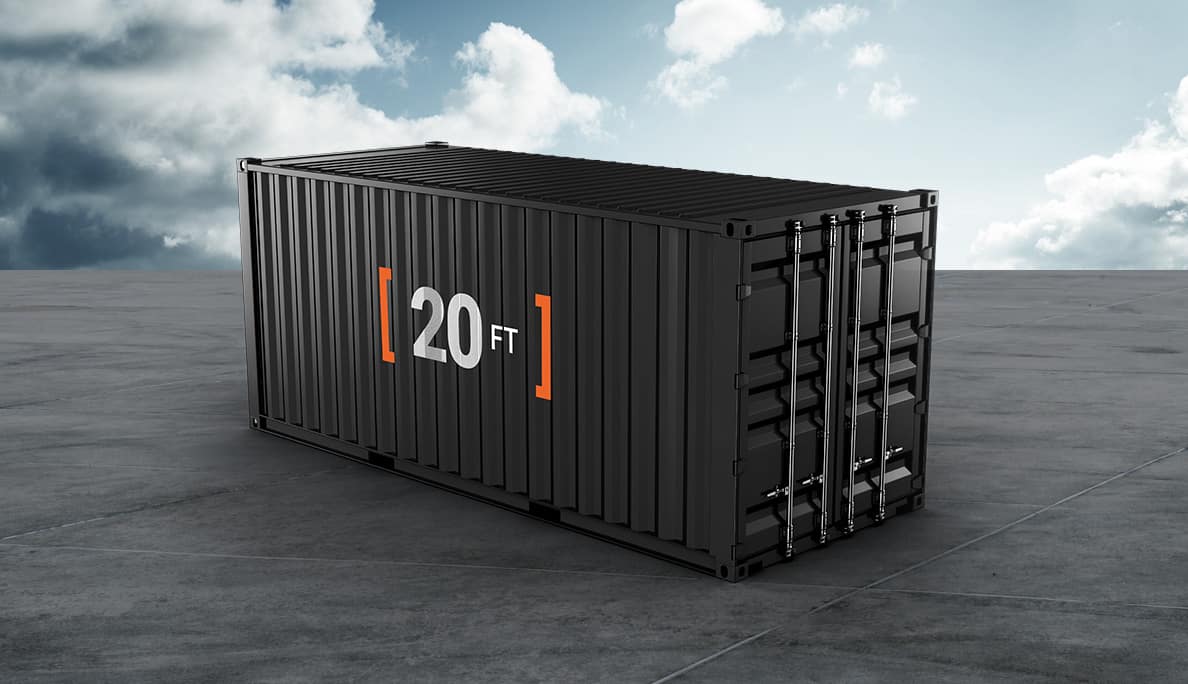
20′ Container

📦 What is a 20-Foot Shipping Container?

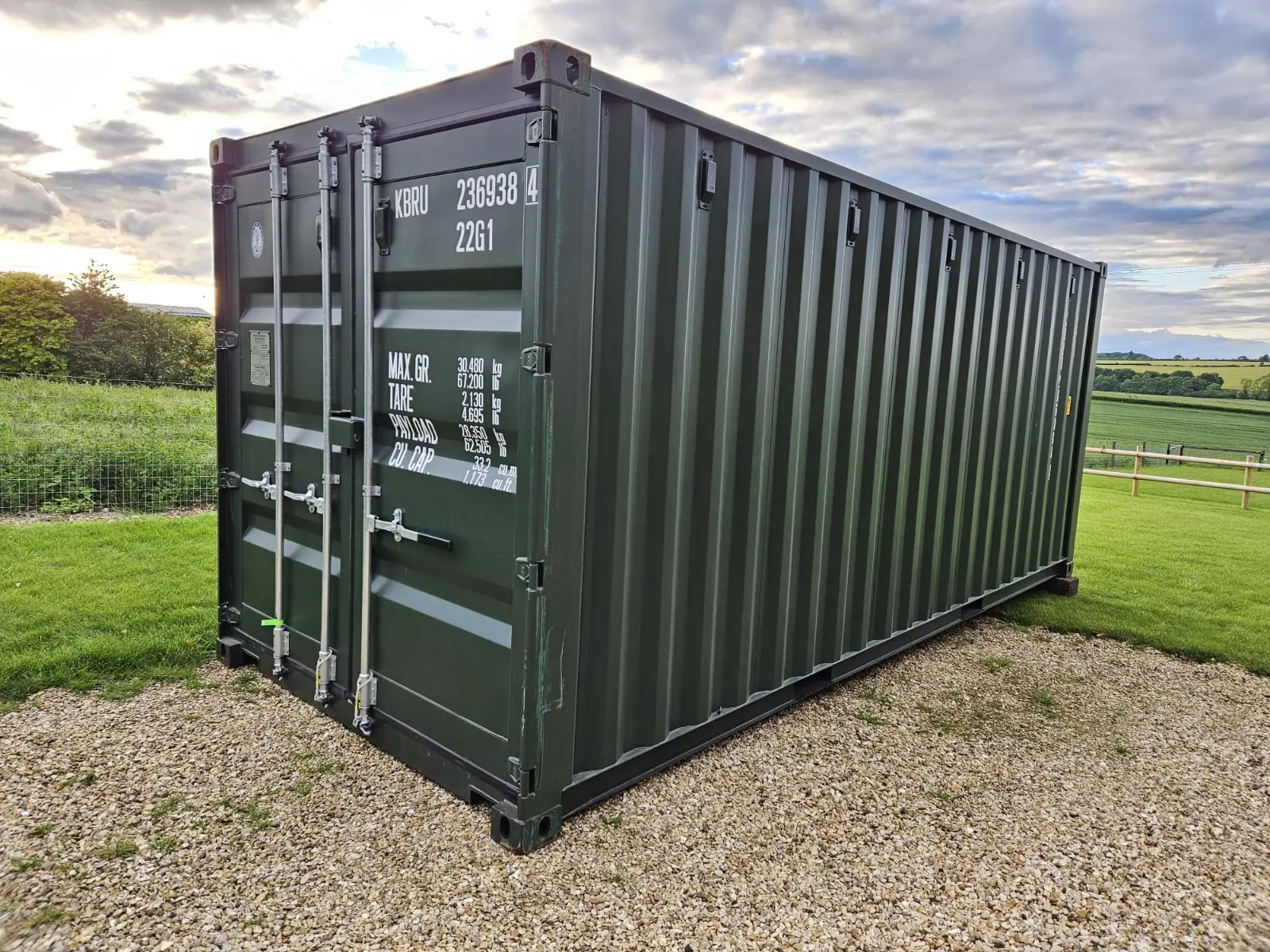
A 20-foot shipping container (also called a “20ft dry van” or “20ft box”) is a standardized steel container used in global trade. It’s the most common size because it offers a balance between capacity, maneuverability, and cost efficiency.

It’s large enough to carry heavy goods but small enough to be delivered to most locations without major handling issues. That’s why it’s the workhorse for both cargo shipping and on-site storage.

20ft
20 ft

📐 Dimensions of a 20-Foot Container

(These are ISO-standard sizes, though they may vary slightly by manufacturer.)

🔹 External Dimensions

  • Length: 20 ft (6.06 m)

  • Width: 8 ft (2.44 m)

  • Height: 8 ft 6 in (2.59 m)

🔹 Internal Dimensions

  • Length: ~19 ft 4 in (5.9 m)

  • Width: 7 ft 8 in (2.35 m)

  • Height: 7 ft 10 in (2.39 m)

🔹 High Cube Version

  • External Height: 9 ft 6 in (2.89 m)

  • Internal Height: 8 ft 10 in (2.69 m)


⚖️ Weight & Capacity

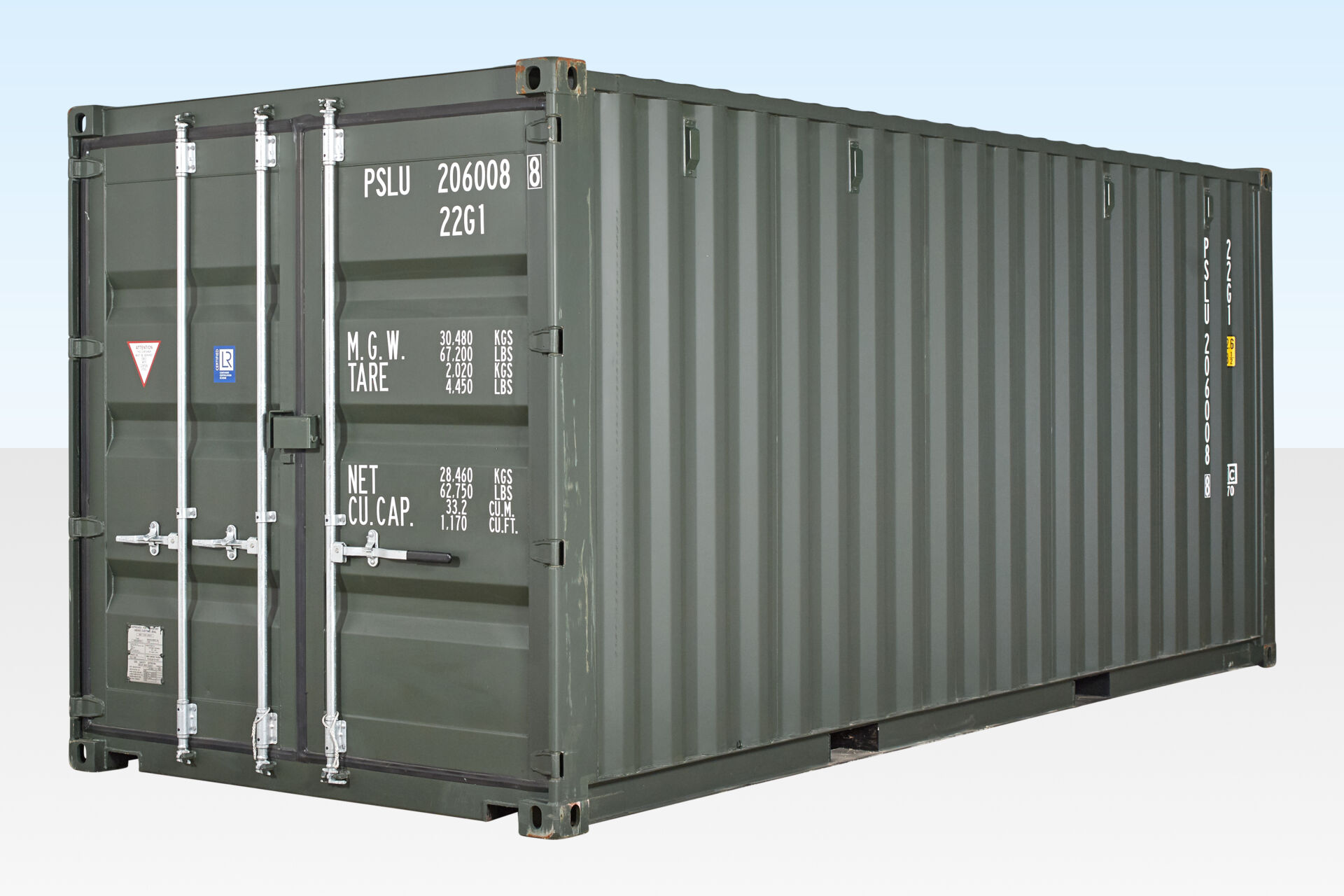
  • Tare Weight (empty): ~2,200 – 2,400 kg (4,850 – 5,290 lbs)

  • Maximum Gross Weight: 24,000 – 30,480 kg (52,900 – 67,200 lbs)

  • Payload Capacity: ~21,600 – 28,000 kg (47,600 – 61,700 lbs)

  • Volume Capacity: ~33 – 37 cubic meters (1,165 – 1,310 cubic feet)

💡 A 20ft container can usually hold 10–11 standard pallets (Euro or ISO) or the contents of a 2–3 bedroom house.


🛠️ Construction

  • Material: Corten steel (weather-resistant, durable against corrosion).

  • Flooring: Marine-grade plywood or bamboo with steel cross members.

  • Doors: Double swing doors at one end with locking bars and rubber seals.

  • Ventilation: Small vents to reduce condensation and protect cargo.

  • Security: Can include lockboxes for anti-theft protection.


🚚 Uses of a 20-Foot Container

  1. Shipping Cargo (Primary Use)

    • International freight (furniture, electronics, textiles, vehicles, food, etc.)

    • Can carry heavy goods better than 40ft containers (because of weight distribution).

    • Fits most transport systems (ships, trains, trucks).

  2. On-Site Storage

    • Warehouses, retail stock, construction materials.

    • Personal use for household items, farm tools, or seasonal storage.

  3. Specialized Versions

    • Reefer (Refrigerated) – for perishable goods.

    • Open Top – for oversized cargo loaded from above.

    • Flat Rack – for heavy machinery and vehicles.

    • Tank Containers – for liquids and chemicals.

  4. Conversion Projects

    • Container homes, cabins, or offices.

    • Pop-up retail shops or cafés.

    • Site offices and portable workshops.

    • Emergency shelters, clinics, or classrooms.


💰 Cost of a 20-Foot Container

  • New (One-Trip): $3,000 – $5,000

  • Used (Cargo-Worthy): $1,800 – $3,000

  • Rental: $75 – $120 per month (depending on location and condition)


🌍 Advantages

  • Most versatile size – fits both shipping and storage needs.

  • Widely available – easier to find and cheaper compared to 10ft or 40ft.

  • Easier to transport – doesn’t require special trucks like 40ft does.

  • Cost-efficient – lower rental and purchase costs.

  • Perfect weight balance – handles dense/heavy cargo better than larger containers.


⚠️ Things to Consider

  • Limited capacity vs. 40ft – if shipping bulky (but light) cargo, a 40ft is more efficient.

  • Space requirements – needs at least 75 ft of straight clearance for delivery by truck.

  • Availability of specialized versions may vary by region.

The 20-foot shipping container is the most practical, flexible, and cost-efficient container size in global trade. It’s the go-to option for businesses, homeowners, and innovators alike—small enough to handle easily, but large enough to store or ship a significant volume of goods.